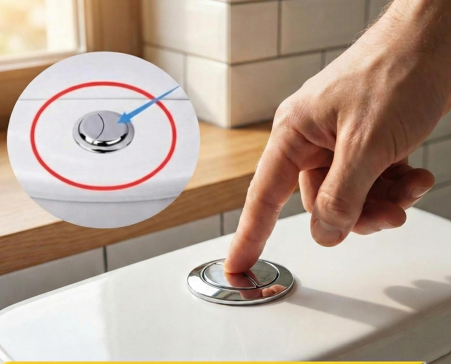
Flushing the toilet is such an automatic habit that most of us rarely question it. Yet for simple urination, flushing every single time may not always be necessary, especially when considering how much clean water is used in the process. Many people are surprised to learn how much drinking water is consumed with each flush. By becoming more aware of our daily routines, we may discover small changes that help conserve valuable resources without sacrificing cleanliness or comfort at home.
Each time a toilet is flushed, between three and nine liters of treated drinking water are used. That water has already gone through a purification process, only to be immediately sent down the drain. In an average household, toilets are used many times a day, meaning hundreds of liters of water may be consumed weekly for flushing alone. Over the course of a year, this can add up to tens of thousands of liters of water. In many parts of the world, access to safe drinking water remains limited, making conservation efforts increasingly important on a global scale. Even modest changes in household habits can contribute to reducing unnecessary waste.
Some environmentally conscious households follow a simple rule: flush when necessary rather than automatically every time. Since urine itself is generally low risk when toilets are cleaned regularly, some families choose to delay flushing when practical, especially in private homes. Of course, cleanliness remains essential. Regular cleaning of the toilet bowl and bathroom ensures hygiene is maintained, and flushing should always be done when needed to avoid odors or discomfort. Small measures such as proper ventilation or natural air fresheners can also help maintain a pleasant environment.
Saving water does not require expensive renovations or complicated equipment. Simple awareness and thoughtful use of household resources can make a noticeable difference. Modern dual-flush toilets, which allow users to choose between smaller and larger flush volumes, also provide an effective long-term solution. Ultimately, each household should choose what feels comfortable and respectful for everyone living there. By paying attention to everyday actions, families can reduce water consumption while keeping their homes clean and functional, showing that responsible habits can begin with the smallest routines.