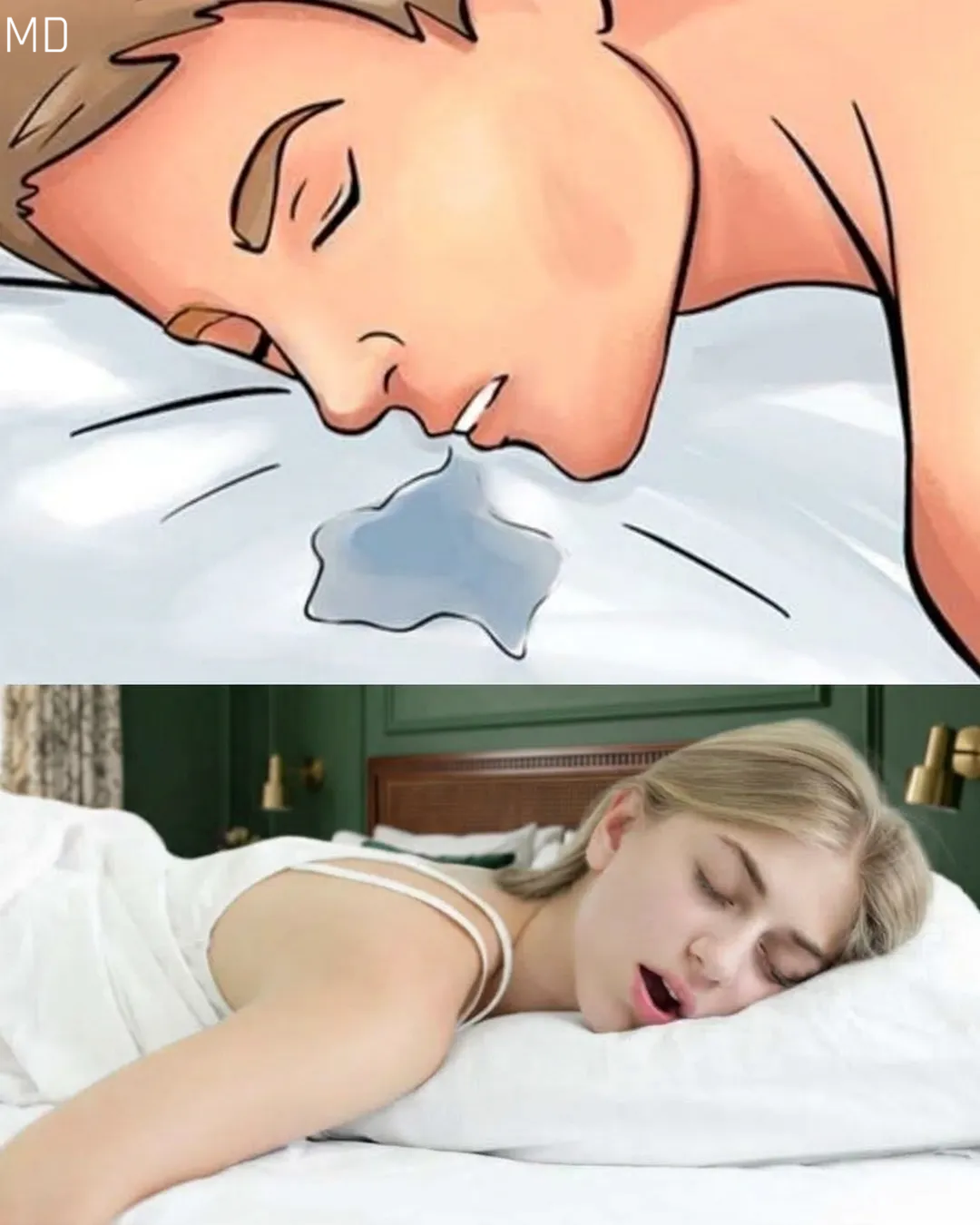
Occasional drooling during sleep is a very common experience and is usually harmless. It often occurs when a person is in a deep stage of sleep, when the muscles of the face and jaw become fully relaxed. Sleeping on one’s side or stomach can also make drooling more likely because gravity allows saliva to escape from the mouth more easily. For many people, this happens from time to time without any underlying health concern. However, if drooling becomes frequent, excessive, or appears suddenly after not happening before, it may be helpful to pay closer attention. Changes in sleep habits, breathing patterns, or general health can sometimes influence how the body manages saliva during the night.
One of the most common reasons for nighttime drooling is nasal congestion. When the nose is blocked due to allergies, colds, sinus infections, or structural differences such as a deviated septum, people may begin breathing through their mouth while sleeping. Mouth breathing can lead to increased saliva production and make drooling more noticeable. Individuals who experience this type of drooling may also notice symptoms such as snoring, dry mouth upon waking, or restless sleep. Addressing the underlying cause of nasal blockage—such as managing allergies or improving sleep environment conditions—can often reduce these symptoms and improve overall sleep quality.
Digestive factors may also play a role in nighttime drooling. For example, acid reflux can sometimes stimulate the body to produce more saliva as a natural response to irritation in the throat or esophagus. This extra saliva may accumulate during sleep and lead to drooling. People with reflux may notice other symptoms as well, such as a sour taste in the mouth, mild heartburn, coughing at night, or discomfort when lying down soon after eating. Adjusting meal timing, avoiding heavy meals close to bedtime, and sleeping with the head slightly elevated are common lifestyle approaches that may help reduce nighttime reflux symptoms.
Oral health can be another contributing factor. Gum inflammation, dental discomfort, or throat irritation may temporarily increase saliva production as the body responds to irritation. Once the underlying issue is treated or resolved, drooling often decreases naturally. In most cases, occasional drooling during sleep is simply part of normal body function. However, if it appears suddenly, becomes persistent, occurs mainly on one side, or is accompanied by difficulty swallowing, it may be wise to consult a healthcare professional for guidance. Paying attention to patterns and changes in sleep habits can help individuals better understand their bodies and maintain overall well-being.