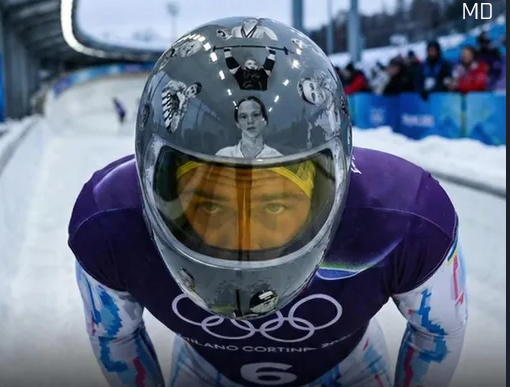
Ukrainian skeleton athlete Vladyslav Heraskevych was ruled ineligible to compete in the men’s event at the Milano Cortina 2026 Winter Olympics after officials determined his competition helmet did not meet athlete expression guidelines. The decision came shortly before the start of the event, following discussions between the athlete and Olympic authorities about how to handle the message displayed on his equipment.
Heraskevych’s helmet, which he described as a tribute to victims affected by the ongoing conflict in his home country, featured images intended to honor those who have suffered. Olympic officials stated that competition rules limit personal messages or imagery displayed during events in order to maintain political neutrality on the field of play. As a result, he was not permitted to compete while wearing the helmet.
According to officials, alternative options were discussed, including allowing a more neutral symbol to express remembrance. However, an agreement was not reached before the competition began. Following the ruling, Heraskevych expressed disappointment, saying he had not intended to create controversy but wished to honor those impacted by events in Ukraine.
Olympic leaders acknowledged the emotional importance of remembrance while explaining that regulations are designed to ensure fairness and consistency for all competitors. The situation has sparked conversation among fans and observers about how athletes can balance personal expression with international sporting rules during major global competitions.