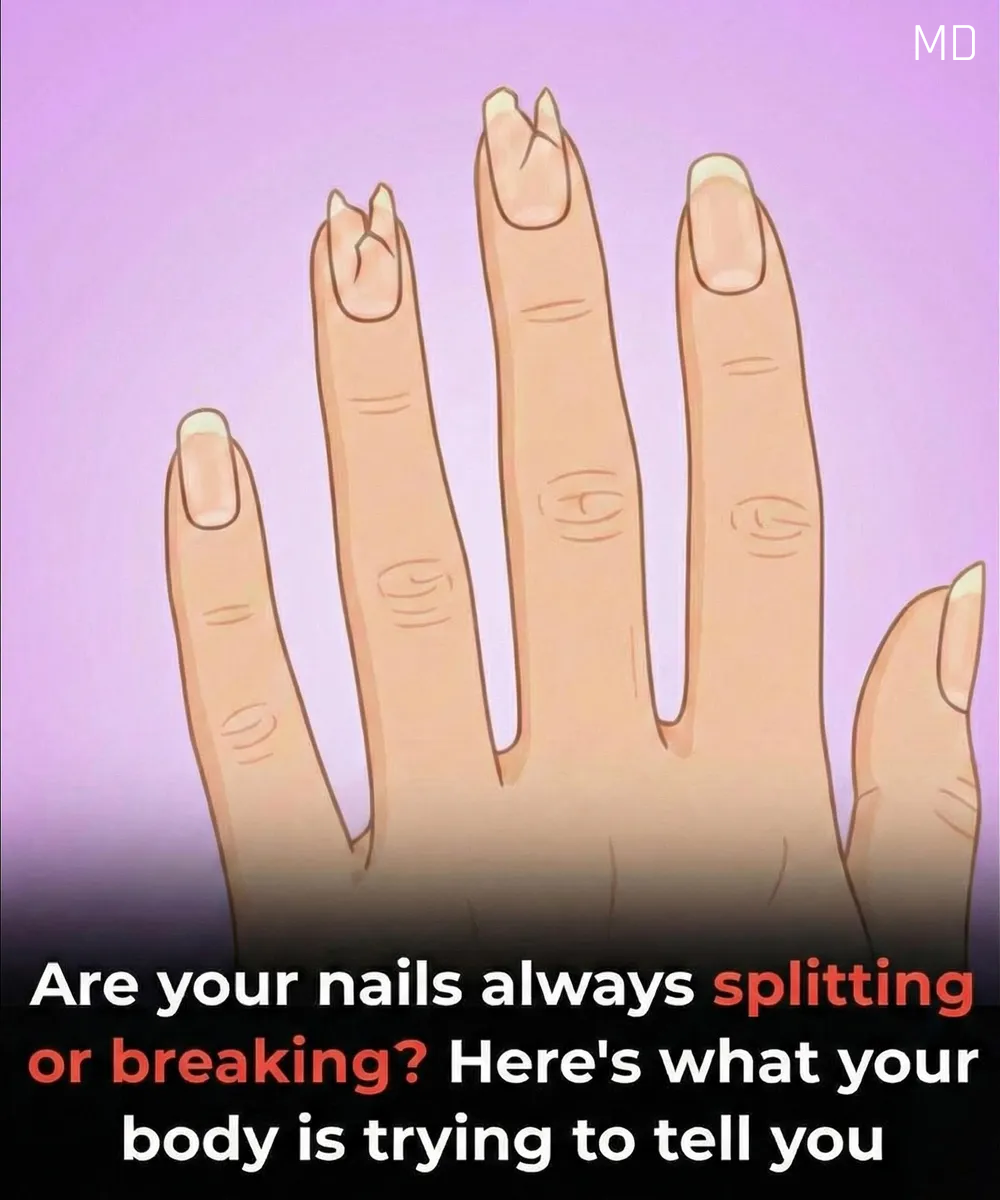
Most of us think of fingernails as a small cosmetic detail—something we trim, polish, or ignore altogether. Yet beneath their smooth surface, nails can quietly reflect what’s happening inside the body. Because they grow slowly and are nourished by blood vessels underneath, subtle shifts in their color, thickness, or shape may sometimes hint at nutritional gaps or underlying health concerns. While many nail changes are harmless and temporary, persistent or unusual differences deserve attention—especially if they appear alongside other symptoms.
One of the most noticeable changes is a shift in color. Healthy nails usually have a soft pink tone. If they become unusually pale or white, it may be linked to low iron levels, circulation concerns, or certain vitamin deficiencies. Yellowing nails are commonly caused by fungal infections, particularly when thickening or brittleness is present. In rarer cases, long-lasting discoloration may be associated with other medical conditions. A bluish or purplish tint can signal reduced oxygen levels in the blood, which is why this change should be evaluated promptly if paired with shortness of breath or fatigue. Dark vertical streaks under the nail are often harmless, especially in people with darker skin tones, but any new or changing dark line should be examined by a healthcare professional to rule out more serious causes.
Texture and shape can also offer clues. Nails that are brittle, cracked, or peeling are frequently the result of repeated handwashing, harsh chemicals, or dry weather. However, if the problem continues despite good nail care, it may point to thyroid imbalance or nutrient deficiencies such as iron or biotin. Spoon-shaped nails, which curve upward at the edges, are sometimes linked to iron deficiency anemia. Clubbing—a gradual rounding and enlargement of the fingertips—can be associated with heart or lung conditions and typically develops slowly over time. Deep horizontal grooves, known as Beau’s lines, may appear after significant illness or physical stress, reflecting a temporary pause in nail growth.
It’s important to remember that nails grow gradually, so visible changes may reflect events from weeks or even months earlier. Not every irregularity signals a serious problem, and self-diagnosing based on nail appearance alone can be misleading. However, if a change is sudden, persistent, spreading, or accompanied by symptoms like fatigue, dizziness, breathing difficulty, or unexplained weakness, a medical check-up is a wise next step. Paying attention to your nails isn’t about worry—it’s about awareness. By noticing what’s normal for you and seeking guidance when something looks different, you can support your overall well-being and gain valuable peace of mind.