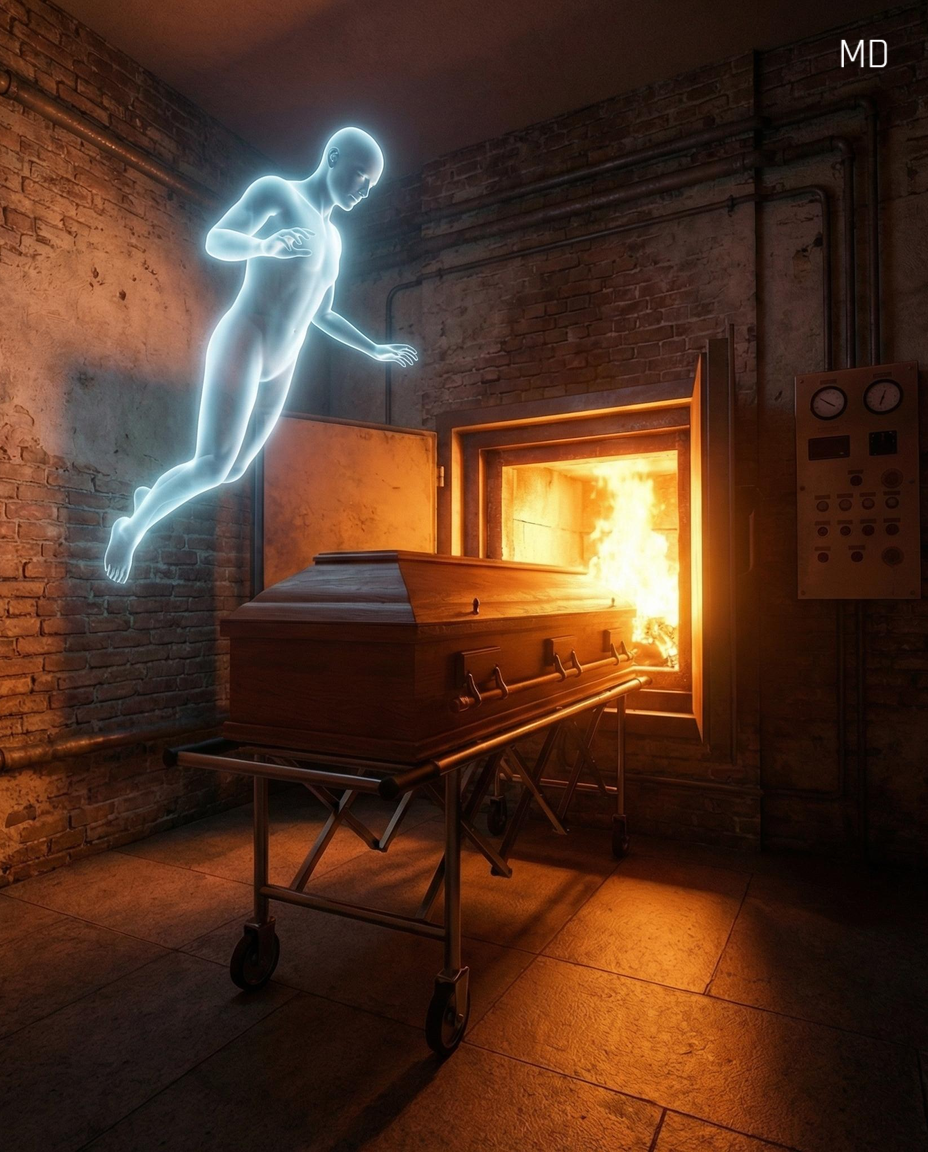
Questions about death, remembrance, and what happens after life ends often lead to thoughtful reflection. As cremation becomes more common due to cultural changes, personal preferences, and practical considerations, many people revisit traditions they grew up with. For those shaped by faith, the discussion usually goes beyond the physical process itself. Instead, it centers on meaning—how choices surrounding final arrangements reflect beliefs about life, hope, and respect for the person who has passed.
Religious texts do not offer a direct command either for or against cremation, though burial has historically been the most common practice in many faith communities. Burial is often seen as a symbol of care and trust in spiritual renewal. References to the body returning to dust have influenced traditions for centuries, shaping customs that connect physical rest with spiritual expectation. For many believers, burial represents hope rather than a strict requirement.
At the same time, many faith leaders emphasize that spiritual destiny does not depend on physical circumstances. Throughout history, situations such as natural disasters or conflict have made traditional burial impossible for many people. These realities remind believers that faith rests on trust in divine power beyond human limitations, rather than on a specific method of returning the body to the earth.
For families making these decisions today, intention and respect often matter most. Choices about cremation or burial may be shaped by finances, personal wishes, or cultural background. Many communities encourage decisions guided by reflection and conscience, while ensuring dignity and remembrance remain central. Ultimately, for people of faith, hope is rooted in spiritual belief, not in a particular tradition of farewell.