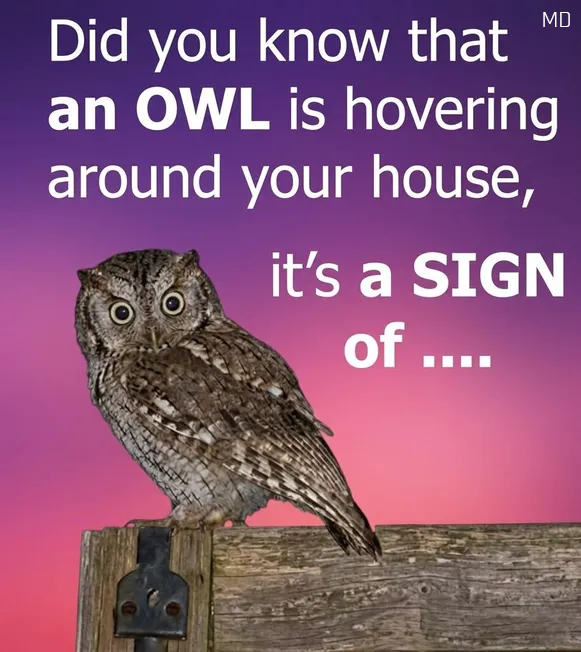
On quiet nights, when the world slows and the air feels still, owls move through the darkness with a calm, effortless grace. These nocturnal birds, part of the Strigiformes order, have long captured human curiosity. Their flight is nearly silent, thanks to specially structured feathers that reduce noise as they glide. Often, their presence is sensed before it is seen—a soft movement overhead or a distant call echoing through the night. This quiet elegance has given owls an almost mysterious reputation, inspiring stories and fascination across many cultures.
From a biological perspective, owls are remarkably skilled hunters. Their large, forward-facing eyes are designed to gather as much light as possible, allowing them to see clearly in low-light conditions. In addition, many species have uniquely positioned ears that help them detect even the faintest sounds with precision. This ability allows them to locate prey hidden beneath leaves, grass, or even snow. Their diet typically includes small mammals, insects, and occasionally other birds, and their adaptability helps them thrive in a wide range of environments—from dense forests to open fields and even urban areas.
Beyond their physical abilities, owls have also held a strong place in human culture and imagination. In many traditions, they are seen as symbols of wisdom and awareness. Ancient Greek culture, for example, associated owls with intelligence and learning, while other traditions have linked them to change, reflection, or quiet observation. Whether viewed as guardians of the night or simply as fascinating creatures, owls often inspire a sense of wonder and curiosity in those who encounter them.
Despite these symbolic meanings, an owl’s behavior is grounded in survival and balance within nature. Their feather patterns help them blend seamlessly into their surroundings during the day, allowing them to rest unnoticed. At night, they become active and alert, relying on their senses to navigate and hunt. Whether heard calling from a distance or briefly seen perched on a branch, owls serve as a reminder of the quiet complexity of the natural world—where beauty, function, and mystery exist side by side.