Being a responsible pet owner goes far beyond providing food and shelter. It also means taking the time to understand how your animal communicates and why certain behaviors occur. Dogs, in particular, rely heavily on instincts that may seem unusual from a human perspective. Learning to interpret these behaviors helps strengthen trust, improve communication, and build a lasting bond between you and your pet.
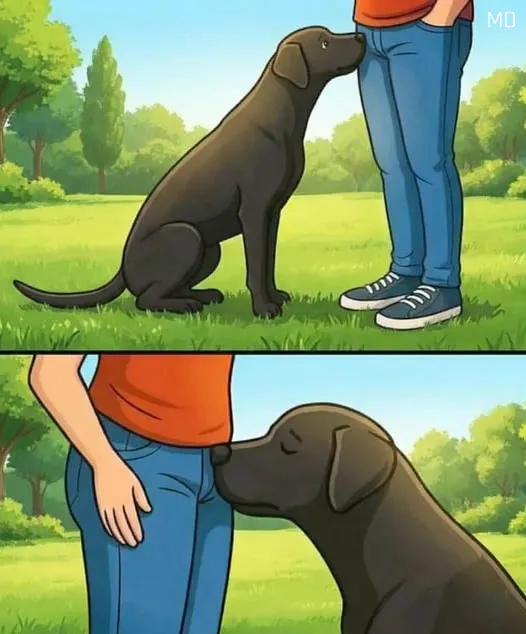
One action that often surprises or embarrasses new dog owners is when a dog sniffs someone’s private area. While it may feel awkward in social settings, this behavior is entirely natural for dogs. Scent is their primary way of gathering information about the world around them. Humans produce pheromones through specialized sweat glands, which carry details about factors such as age, mood, and overall condition. Because these scent markers are more concentrated in certain parts of the body, dogs instinctively investigate those areas to collect information.
Unlike people, dogs do not rely on words or facial expressions to understand others. Their sense of smell is their strongest communication tool. Sniffing is their version of a greeting — similar to a handshake or introduction. Through scent, they “ask questions” and quickly learn about another person or animal. Recognizing this behavior as curiosity rather than mischief can shift your perspective and reduce frustration in the moment.
Although this instinct is normal, it can be redirected if it becomes uncomfortable or inappropriate. Gentle, consistent training is key. Teaching commands such as “sit” or “stay,” and rewarding your dog with praise or treats when they follow instructions, encourages alternative behaviors. Positive reinforcement works best, as it respects your dog’s natural instincts while guiding them toward socially acceptable habits. With patience and understanding, you can maintain polite behavior without discouraging your dog’s healthy curiosity. Ultimately, strong pet care is built on empathy, clear guidance, and a willingness to see the world from your dog’s point of view.