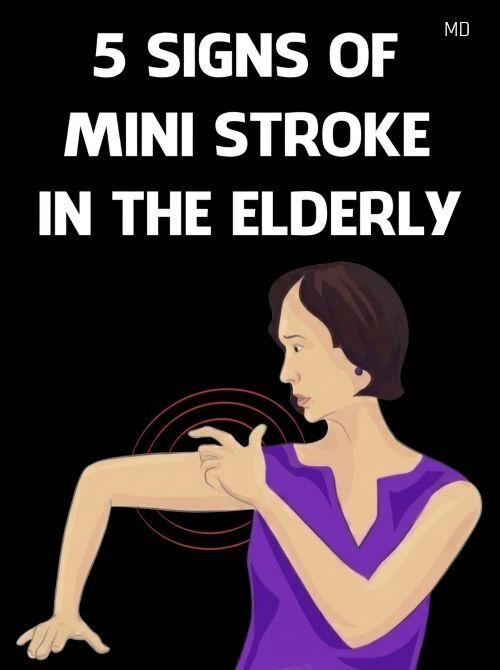
A mini-stroke, medically known as a transient ischemic attack (TIA), occurs when blood flow to part of the brain is briefly interrupted. In older adults, this often results from narrowed arteries or small clots that temporarily block circulation. Because symptoms usually disappear within minutes or hours, many people mistake the event for fatigue or dizziness and do not seek help. However, a TIA is a serious warning that the brain’s blood supply may be at risk. Even though symptoms fade, the underlying issue remains, making immediate medical attention important.
Symptoms often appear suddenly and may range from mild to severe. Common signs include weakness or numbness on one side of the body, difficulty speaking clearly, or trouble understanding simple conversation. Some individuals notice sudden vision problems, dizziness, loss of balance, or a severe headache without an obvious cause. Since these symptoms can disappear quickly, people may delay getting help, but any sudden change in movement, speech, or vision should be treated seriously.
Several factors increase the chance of experiencing a mini-stroke. Advancing age, high blood pressure, diabetes, and high cholesterol can damage blood vessels over time, raising the risk of blockage. Smoking, poor diet, and lack of exercise also contribute to circulation problems. Medical experts note that many people who experience a TIA may face a larger stroke later if preventive steps are not taken promptly.
Doctors typically use scans, heart checks, and blood tests to find the cause and recommend treatment. Medications, along with healthier lifestyle choices such as regular exercise and balanced nutrition, help reduce future risk. Recognizing symptoms early and seeking care quickly can protect long-term health and independence.