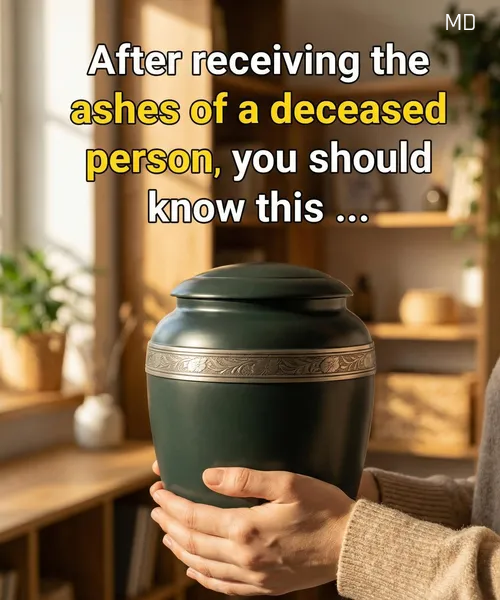
Losing someone close creates a quiet absence that is often difficult to express. In that space of grief, many families choose to keep a loved one’s ashes at home as a way to feel connected to the person they miss. As cremation becomes more common across the United States, more people are considering whether keeping ashes nearby feels meaningful and emotionally supportive.
For some, placing an urn near photographs or cherished keepsakes offers comfort and helps preserve a sense of closeness. The presence can serve as a reminder of shared memories and the love that remains, especially for those who spent many years with a spouse, parent, or partner. During the early stages of grief, this connection can feel reassuring.
Different faith and cultural traditions offer varied perspectives on cremation and remembrance. Many Christian communities today accept cremation and encourage families to handle ashes with dignity, whether kept at home or placed in a memorial space. Other traditions encourage scattering ashes in nature or choosing a meaningful resting place as part of emotional healing.
Grief specialists emphasize that there is no single right answer. If keeping ashes at home brings comfort and peace, it can be a healthy personal choice. If it feels difficult over time, families may find comfort in alternatives such as memorial gardens or tribute projects. Ultimately, decisions about remembrance should reflect love, respect, and what best supports healing.