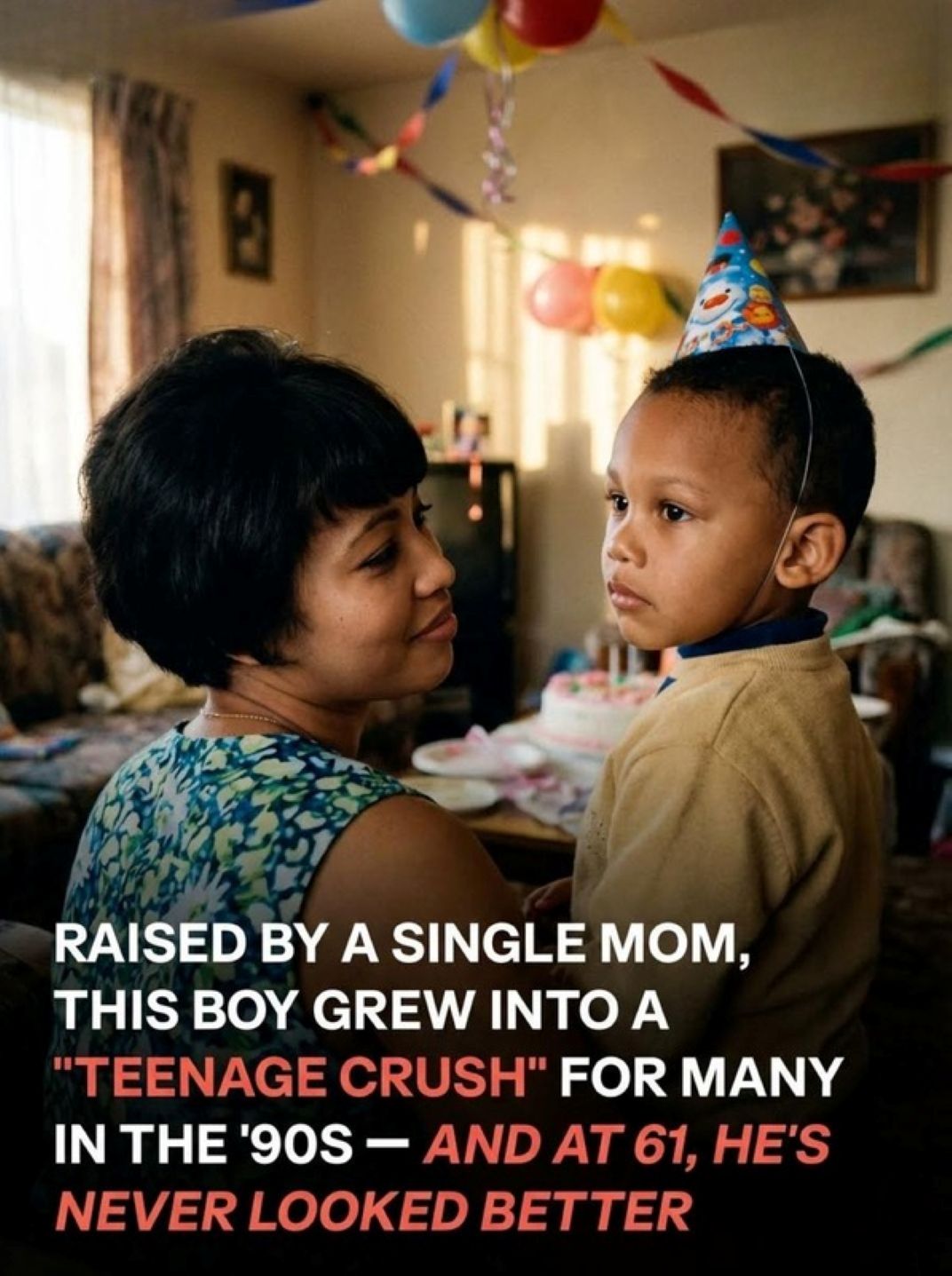
He grew up in motion, not by choice but by necessity. Raised in a single-parent household in New York City’s East Village, his childhood was marked by instability, scarcity, and constant change. By the time he turned sixteen, he had lived in sixteen different homes. As the eldest of three, responsibility settled on his shoulders early, and survival became the primary goal. He has spoken openly about those years, explaining that his biggest ambition was simply to stay alive and out of trouble. Yet even in chaos, there were seeds of discipline. A powerful influence entered his life through his maternal grandfather, a Chinese martial artist, who introduced him to a structured world where focus, respect, and self-control mattered. Martial arts became more than training — it became a lifeline, guiding him toward confidence and inner balance.
That discipline followed him into adulthood, long before fame ever did. He earned a first-degree black belt in Hapkido and credits the practice with teaching him emotional awareness as much as physical control. Acting, on the other hand, arrived unexpectedly. He never attended acting school and never imagined a career in entertainment. After appearing in a few commercials, he agreed — almost casually — to audition for a film, unaware that a single yes could reroute his life. That audition eventually led to his breakout role in Juice (1992), where he played Raheem alongside a young Tupac Shakur. The film became a cultural landmark, and his calm, grounded performance turned him into a recognizable face and a generation’s quiet crush. More importantly, he has reflected on how Juice amplified Tupac’s presence, helping introduce a voice that would soon shape music and culture worldwide.
Rather than being defined by one role, he kept moving forward. Film and television work followed steadily, including appearances in Bones, For Colored Girls, The Tiger Woods Story, and the beloved sitcom Girlfriends. Yet his evolution extended beyond the screen. Grounded in martial arts discipline, he found purpose in teaching, eventually instructing acting at institutions like the Harlem School of the Arts and City College. There, he led discussions on the responsibility artists carry in shaping images and narratives. Over time, his understanding deepened: success was no longer just about booking the next job, but about intention, impact, and growth. He also explored writing and spoken-word poetry, continuing a creative legacy rooted in activism and expression that ran in his family.
At the center of everything stands fatherhood. Despite decades of admiration, steady work, and enduring recognition, he considers being a parent his most important role. Married with three children — one of whom followed him into acting — he approaches parenting with honesty shaped by his own experiences. He takes pride in offering his children opportunities he never had, valuing moments of presence over prestige. Today, fans still marvel at how little he seems to have changed on the outside, but the real story lies within: a life transformed by discipline, choice, and resilience. From survival to stardom, and from fame to mentorship, his journey reflects a deeper truth — growth is the art of saying yes, learning responsibility, and carrying your past without being trapped by it.